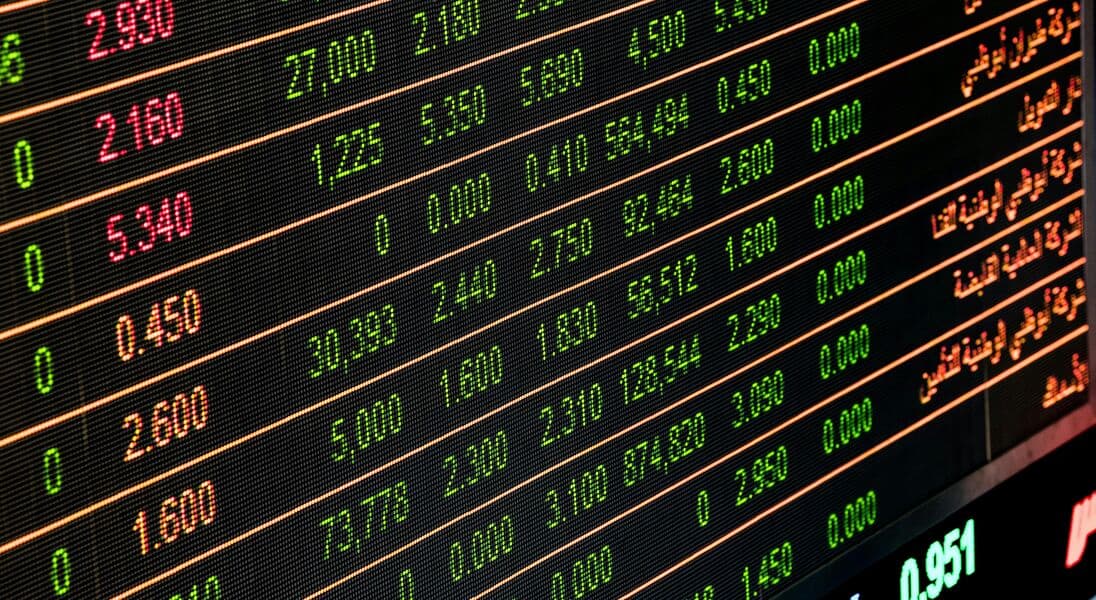
In Casablanca on March 26, 2026, strong 2025 earnings from SBM, HPS, Ciments du Maroc and Risma clashed with a 0.84% drop in the MASI. A stronger dollar at 9.3408 MAD and Brent at $101.32 sharpened pressure on import-heavy names and margins.
|6 min read
The market’s message was more nuanced than a simple index decline. On March 26, 2026, several Casablanca-listed companies raised dividends after a sharp improvement in 2025 earnings, yet the MASI still fell 0.84% to 17,443.33. That split between company fundamentals and market performance says a great deal about the current state of the Morocco stock market: investors rewarded the clearest earnings stories while punishing segments exposed to foreign exchange and energy costs.
The contrast was striking because the day’s earnings flow was unusually rich. Société des Boissons du Maroc reported 2025 net profit attributable to shareholders of MAD 343 million, up 59.5%, and proposed a total dividend of MAD 127 per share versus MAD 100 a year earlier. HPS posted net profit of MAD 106 million, up 40.5%, with DPS raised to MAD 8. Ciments du Maroc, meanwhile, lifted consolidated net income to MAD 1.402 billion, up 49.9%, and proposed a MAD 65 dividend. Even so, the broad index closed lower, a reminder that Casablanca stock exchange today is being driven by more than earnings season alone.
Key figures
- MASI: 17,443.33, down 0.84%, taking 2026 losses to 7.44%
- SBM: net profit MAD 343 million, up , proposed dividend
- HPS: net profit MAD 106 million, up 40.5%, operating revenue MAD 1.551 billion
- Ciments du Maroc: consolidated net income MAD 1.402 billion, up 49.9%, dividend MAD 65
- USD/MAD: 9.3408, up 3.65%; Brent at $101.32 a barrel
Market context: MASI index falls as large caps stay under pressure
In the Casablanca stock market analysis for Thursday’s session, losses were broad-based, with 41 decliners, 21 gainers and 4 unchanged stocks out of 66 listed names. The MASI 20 dropped 1.49% to 1,327.91, underperforming the broader market and showing heavier pressure on large caps. By contrast, the MASI Mid and Small Cap index rose 0.53% to 1,792.19, suggesting that select mid-cap earnings stories found buyers even as the benchmark weakened. The MASI ESG index lost 0.75% to 1,201.15.
That pattern matters because the Moroccan market remains concentrated in a handful of heavyweight sectors, especially banks and telecoms. Any weakness there mechanically drags the benchmark lower. Bank of Africa fell 4.5% to MAD 208, illustrating that sensitivity. At the same time, strong gains emerged in earnings-linked or yield-driven names, including SBM at +10.0% to MAD 2,227, HPS at +6.9% to MAD 545, and CMT at +8.1% to MAD 3,500.
Macro also mattered. The US dollar strengthened to 9.3408 MAD, up 3.65%, while the euro rose to 10.758 MAD, up 2.81%. For Morocco, a net energy importer, Brent at $101.32 a barrel — down 0.9% on the day but still up 1.4% on the week — raises the import bill when combined with a weaker dirham against the dollar. That directly affects margins for companies reliant on imported inputs, transport, or hard-currency procurement. In other words, the MASI index was facing a macro headwind even as several companies delivered strong annual numbers.
The day’s real signal: dividends are back at the center of valuation
The key takeaway from this session was not just earnings growth, but the return of more generous shareholder distributions across several Casablanca names. At Société des Boissons du Maroc, consolidated revenue rose 7.6% to MAD 3.08 billion, while net profit jumped 59.4% to MAD 343 million. That gap between top-line growth and bottom-line growth points to better product mix, stronger operating leverage, or tighter cost control. The market focused above all on the proposed total dividend of MAD 127, including MAD 20 in exceptional payout, up 27% from MAD 100 the previous year.
SBM’s 10.0% share-price jump shows that the market is currently paying for cash visibility more than for accounting growth alone. With the MASI down 7.44% year to date, the ability to convert earnings into shareholder return has become central again. That is especially true in Casablanca, where a meaningful part of the investor base still treats dividends as a cushion against volatility.
The same logic applied to HPS. The payments technology group reported operating revenue of MAD 1.551 billion, up 22.3%, and net profit of MAD 105-106 million, up 40.5%, according to the day’s company releases. The proposed dividend rises to MAD 8 from MAD 7, an increase of 14.3%. That matters because technology names are often judged on a trade-off between growth and payout. By gaining 6.9% to MAD 545, HPS benefited from a dual message: profitable growth and disciplined capital return.
Cement, hotels and consumer names: different paths, same normalization theme
Ciments du Maroc delivered one of the strongest releases of the day. Consolidated revenue reached MAD 5.349 billion, up 22.6%, while consolidated net income rose 49.9% to MAD 1.402 billion. The dividend per share was lifted to MAD 65 from MAD 60, a gain of 8.3%. According to Moroccan business media including Medias24, the performance reflects stronger volumes and a more favorable pricing environment in building materials, as infrastructure activity continues to support domestic demand.
In hospitality, Risma confirmed that Morocco’s tourism recovery is still feeding through to listed earnings. Revenue rose 29% to MAD 1.634 billion, while net profit increased 47.5% to MAD 270 million. The proposed dividend stands at MAD 9, up from MAD 7, a 28.6% increase. That reflects both better occupancy and stronger monetization of demand. It also highlights that tourism receipts remain an important support for the Moroccan economy, partly offsetting a heavier energy import bill.
By contrast, Lesieur Cristal showed that not every sector is enjoying the same operating leverage. Revenue slipped 1.4% to MAD 5.378 billion, while net profit plunged 66.7% to just MAD 8 million. For a company exposed to agricultural commodities and hard-currency purchases, the combination of volatile input costs and a stronger USD/MAD is an obvious margin headwind. It is one of the clearest examples in this Morocco market recap of how foreign exchange can wipe out volume resilience.
The laggards show the market’s other side
The 5.3% drop in TotalEnergies Marketing Maroc to MAD 1,500 fits that same reading. The company reported consolidated net income of MAD 851 million, down 8.9%, on revenue down 9.7% to MAD 15.127 billion. At first glance, Brent’s daily decline might look supportive, but the absolute oil price remains high at more than $101, and the stronger dollar against the dirham complicates the margin equation for energy distributors. The market therefore focused more on earnings erosion than on the one-day move in crude.
Mining names also deserve context. Another article this cycle already covered Managem’s earnings angle, but Thursday’s 8.1% rise in CMT and the earnings rebound at Zellidja, whose net profit more than tripled to MAD 22 million, fit into a broader global backdrop. Gold fell 3.9% to $4,370.8, silver dropped 5.8%, and platinum lost 5.0%, yet local investors prioritized production ramp-up, operating execution and easy 2024 comparisons. In other words, Casablanca rewarded industrial delivery more than the spot move in metals.