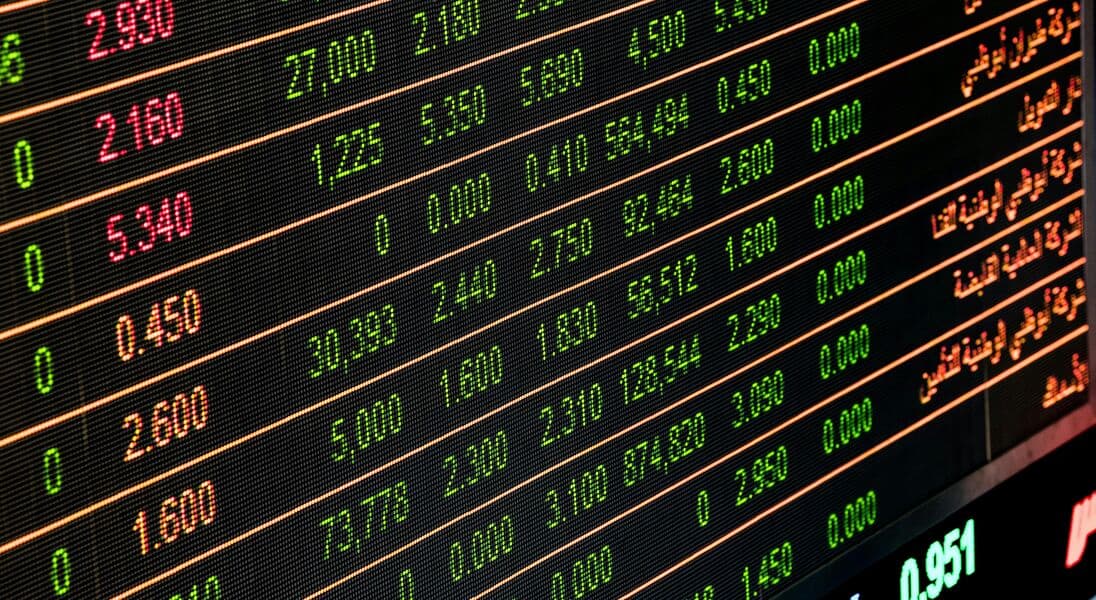
The MASI rose 0.59% on June 8, 2026, lifted by large caps and ESG names, while the mid- and small-cap segment fell 0.63%. SMI’s 7.0% drop and weakness in miners contrasted with strength in banks, cement stocks and energy plays.
|6 min read
The split was the real story on the Casablanca stock exchange today. The MASI rose 0.59% to 18,629.14 points on Monday, June 8, 2026, but the MASI Mid and Small Cap index fell 0.63% to 1,858.1 points. That divergence matters because it shows where money is hiding: large-cap banks, ESG names and industrials absorbed the selling pressure that hit miners and several mid-cap stocks, with SMI plunging 7.0% to MAD 8,000 on MAD 12.09 million in turnover.
The contrast was even sharper because the MASI 20 gained 0.77% to 1,330.46 points and the MASI ESG advanced 0.92% to 1,366.43 points, even as the broad MASI remains down 1.15% year to date. In other words, the Morocco stock market is still highly selective. Flows are concentrating in liquid, visible and relatively defensive names, while mid- and small-cap counters struggle to keep pace despite broadly balanced market breadth of 29 gainers, 27 losers and 24 unchanged stocks out of 80 listed names.
That sector ranking cannot be separated from the global backdrop. Brent crude at $94.45 a barrel rose 1.5% on the day, even though it is still down 3.4% on the week, in a market shaken by Middle East tensions and concerns over the Strait of Hormuz, according to the global headlines provided in the brief. For Morocco, a net energy importer, oil near $95 raises the import bill and squeezes margins in sectors exposed to fuel and imported inputs. At the same time, the USD/MAD climbed 3.80% to 9.2389 and the EUR/MAD rose 2.96% to 10.666, a double FX move that increases the local-currency cost of imports and favors companies able to pass through higher costs or rely on diversified revenue streams.
Mid caps under pressure: miners drag the segment lower
This is the core of the sector report: BVC mid cap stocks underperformed even as the headline index closed higher because pressure was concentrated in higher-beta names with commodity sensitivity. SMI dropped 7.0% to MAD 8,000, one of the day’s steepest declines, while also ranking among the most actively traded stocks with MAD 12.09 million in turnover. A sharp fall on heavy volume usually signals active selling rather than simple illiquidity.
The decline in Minière Touissit, down 4.2% to MAD 4,700, reinforced that message. The apparent paradox is that gold rose 0.7% to $4,369, but platinum group metals weakened, with platinum down 1.9% and palladium down 2.8%. More importantly, local investors do not price Moroccan mining stocks only on spot metal prices. They also look at cash-flow visibility, FX risk and market depth. When the dollar strengthens 3.8% against the dirham and geopolitical tensions increase commodity volatility, smaller mining names become more vulnerable to profit-taking.
By contrast, Managem held up better, rising 1.1% and posting the market’s highest turnover at MAD 32.87 million. That relative outperformance versus SMI suggests a preference for more diversified, more liquid and more closely followed mining groups. In any serious Casablanca stock market analysis, that distinction is crucial: the market is not selling the mining theme indiscriminately; it is differentiating between risk profiles, balance-sheet strength and the ability to absorb external shocks.
ESG, banks and industrials: the market’s resilient pockets
The 0.92% rise in the MASI ESG shows that flows rotated into companies seen as more operationally resilient. Banks again played their usual stabilizing role in an index where their weighting remains decisive. Attijariwafa Bank added 0.5% on MAD 12.56 million in turnover, while CIH rose 1.7% to MAD 355 and Bank of Africa gained 2.5% to MAD 205. In a market where the MASI 20 is still down 10.45% year to date, the ability of banks to attract liquidity remains a structural support factor.
Industrials and building materials also helped lift the main index. Ciments du Maroc climbed 3.4% to MAD 1,695, LafargeHolcim Maroc rose 2.1% to MAD 1,895, and Jet Contractors advanced 3.6% to MAD 2,170. Together, those moves tell a precise macro story: despite imported-cost pressure linked to EUR/MAD at 10.666, the market is still rewarding companies exposed to domestic investment, infrastructure and construction, likely because local visibility offsets part of the external risk.
Energy names also contributed to the MASI’s resilience. TotalEnergies Marketing Maroc gained 3.1% to MAD 1,550 and TAQA Morocco rose 1.7% to MAD 1,750. The logic differs by business model, but Brent’s move back toward $94.45 has pushed the sector back into focus. For fuel distributors, the issue is pricing pass-through and volumes; for power producers, it is input costs and contract structures. In both cases, higher oil prices are never neutral for Moroccan equities.
Other session signals: autos, consumer names and Cosumar
Among the day’s notable gainers, Auto Nejma jumped 6.0% to MAD 4,561, the strongest performance on the board, while Mutandis rose 1.9% to MAD 236 and Cartier Saada gained 3.0% to MAD 28.99. On the losing side, Auto Hall fell 1.0% to MAD 68.99, Oulmès dropped 5.8% to MAD 1,205, and S.M Monétique lost 6.2% to MAD 496. That dispersion shows a market trading stock by stock rather than sector by sector, with liquidity, earnings expectations and cost sensitivity driving the moves.
Cosumar also deserves attention. The stock slipped 0.4% on MAD 8.32 million in turnover in a session marked by news that the AMMC had approved the information notice for a share buyback program, according to Telquel.ma and Infomédiaire. Buyback programs can support liquidity and help frame volatility, but Monday’s muted reaction suggests the market wants more clarity on execution and operating context before materially re-rating the stock.
Outlook: what to watch next in the Morocco stock market
Three variables now matter most. First, whether Brent stays around $94 and whether Middle East tensions intensify, because both directly affect Morocco’s energy bill and corporate margins. Second, the path of USD/MAD at 9.2389 and EUR/MAD at 10.666, which will matter for importers, industrials and companies with foreign-currency exposure. Third, within the local market itself, whether mid caps can stabilize after SMI’s 7.0% drop will show whether Monday was a one-off shock or part of a broader rotation into large-cap ESG, banking and industrial names. For anyone following the Morocco market recap, that gap between heavyweight resilience and mid-cap fragility is now the clearest lens through which to read the market.